Skip to content

GROW isn't another program running alongside instruction.


It is instruction. 

GROW is an instruction-first targeted support as an extension of classroom learning. 

GROW Instructional First Support

What GROW Is

GROW is a high-impact tutoring (HIT) program built on consistent, small-group instruction that follows the same pacing and priorities as the classroom — delivered live and virtually by the same tutor over time.

GROW follows a predictable instructional rhythm: live, virtual, small-group sessions delivered 2–3 times per week for 30–60 minutes, over an 8–12 week cycle.

Students work in the same small group every time, and tutoring happens during the school day .

So what?
What differentiates GROW from most tutoring models is the consistency of delivery.

Scheduling doesn’t shift week to week, groups don’t collapse when staff is absent, and instructional time isn’t lost to logistics. The result is an intervention that actually maintains momentum — not one that resets every few days.


Every lesson in GROW is custom-built from your district’s pacing guides, scope & sequence, and instructional priorities.
 
Our academic team designs lessons that align directly to the unit students are learning in class that week — not generic worksheets, not “catch-all” practice, and not vendor-created materials that ignore what’s happening in classrooms.

Lessons follow a consistent instructional arc and include checks for understanding, scaffolds, and opportunities for responsive instruction. This keeps tutoring in lockstep with classroom learning, reducing reteaching for teachers and preventing confusion for students.

So what?
This is not curriculum-as-content — it’s curriculum-as-instruction, purpose-built for actual transfer back into the classroom.

GROW uses a tutor workforce, not independent contractors or gig workers.

Tutors are scheduled, supported, and trained — which is why they can reliably deliver instruction at the level high fidelity HIT programs demand.

Student cohorts are scheduled with the same trained, US-based tutors for the length of their program. Tutors take daily exit-ticket notes, track session notes over time, and adjust instruction within the scope of the week’s pacing. Because they are consistent and prepared, tutors build real trust with students and form the kind of instructional relationship that makes small-group work effective.

So what?
This is where GROW differs most from other HIT models: tutors aren’t “coverage” or “availability” — they’re an instructional workforce designed for continuity, not convenience.

How GROW Works

GROW is a high-impact tutoring (HIT) program built on consistent, small-group instruction that follows the same pacing and priorities as the classroom — delivered live and virtually by the same tutor over time.

  • High Impact Tutoring Student Setup

    SETUP


    Students:

    Student cohorts either stay in class or go to a designated location. 

    Teachers:

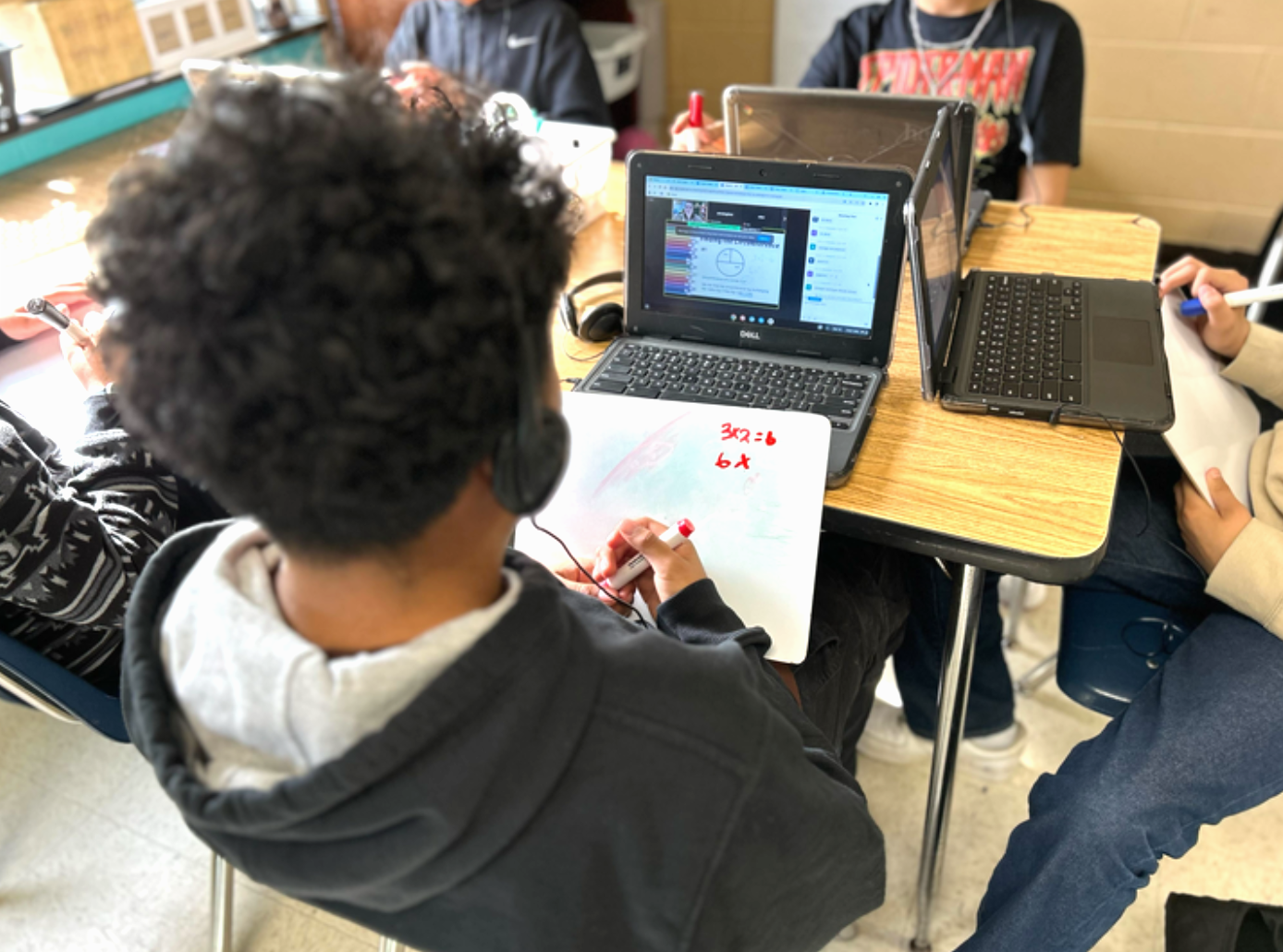
    A teacher or para will need to be in the room during the session for tech or engagement help.


  • High Impact Tutoring Student Cohort

    SESSION


    Students:

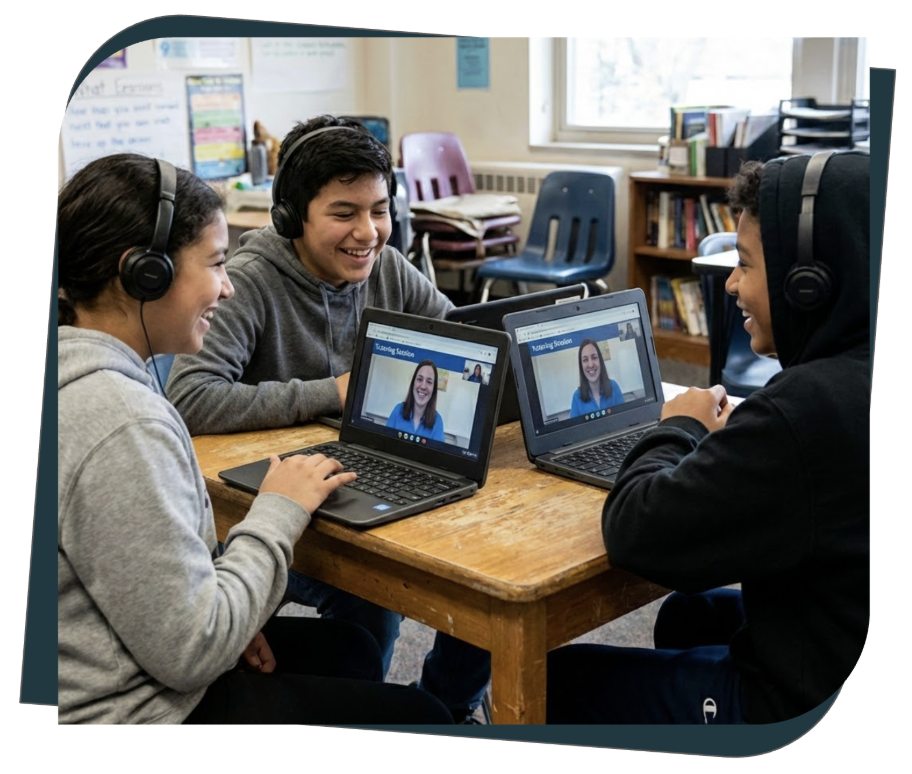
    Headphones, mics, and cameras on – real, instructional exchanges is happening live.

    Teachers:

    For in-class HIT, teachers use this time for targeted teaching. 

    Teachers gain time back for Tier 1 instruction because they aren’t delivering or managing another intervention.

  • High Impact Tutoring Student Feedback

    FEEDBACK


    Students:

    Students fill out exit tickets - formative quizzes and tutor feedback after each session.

    Teachers:

    Teachers get real-time notes on individual student performance and behavior building continuity between classroom and tutoring.

How GROW Gets Implemented

When districts show up focused and ready, Paper can meet that momentum with a kickoff-to-classroom timeline of just 2 weeks.

icon-1-sm

Program Design

We align instruction before anything begins. Paper reviews your pacing guides and scope & sequence, then builds custom, pacing-aligned lessons for the duration of the program.


icon-2-sm

Teacher Prep & Coordination

Classroom teachers understand the plan - without extra lift. A short, practical walkthrough covers groups, schedules, technical needs, and how classroom pacing connects to GROW's tutoring session. 


icon-3-sm

On-Site Launch

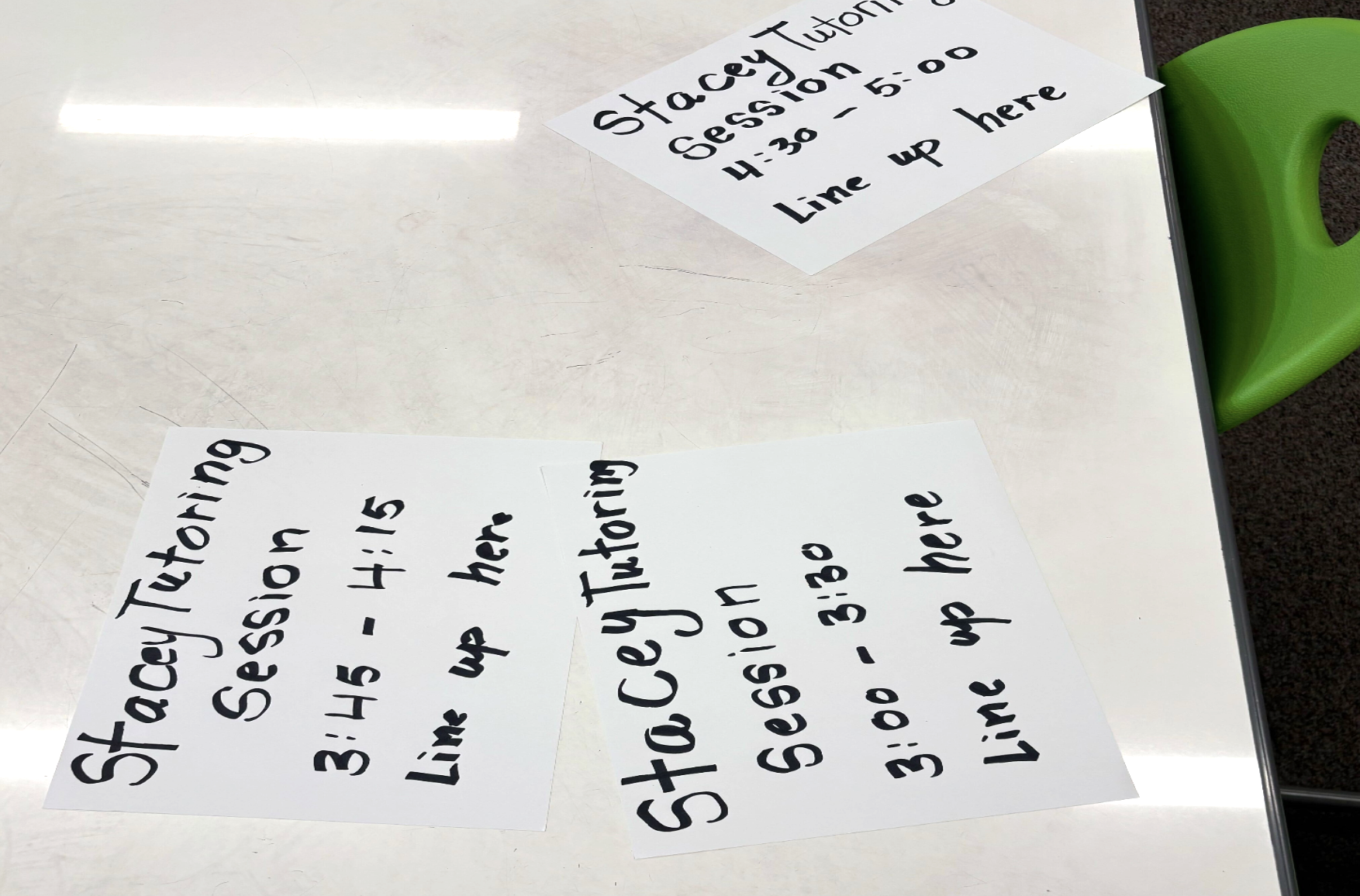
Paper comes in person (yes, in person!) to help with logistics, tech setup, and help with any first day hiccups. We're shoulder-to-shoulder with teachers on day 1 as a signal of shared accountability. 

How GROW Compares to Other Targeted Interventions 

Intervention Type Third-Party Impact Validations Scalable Program Partnership Continuity 
GROW  ESSA level III evidence specifically for our HIT program   NSSA certification ensures quality is not sacrificed with expansion Onsite rollout, custom program design, logistics management Consistent tutors and curriculum 
Other HIT Vendors Few vendors have ESSA evidence for their HIT program  Many lack NSSA and use non US-based contract tutors to scale Mostly stops at contract signing  Usually tutors vary and curriculum is "proprietary" and not relevant
In-House Tutoring NA; impact varies widely by site, schedule, and staff availability Hard to staff quality tutors that span grades, subjects, and sites NA; usually lacks centralized training to ensure model fidelity Struggle with providing consistent tutors if staff is strained
Digital-First Interventions Some have ESSA evidence. Often tracks usage over impact  Built to easily scale as a priority Deployment is “set-and-forget.” Rollout = rostering and PD slides Parallel curriculum that does not reinforce classroom learning
 

Related: Get the High Impact Tutoring Buyer's Guide


The high impact tutoring (HIT) buyer's guide is a practical resource for defining, evaluating, and choosing high-impact tutoring that actually delivers student growth. 

Free download. No email address required. 


>> Get the guide


High impact Tutoring Buyers Guide Cover Image

Why Educators and Students Like GROW

High Impact Tutoring Targeted Teaching

GROW feels like an extension of classroom learning — not a competing program.


Because tutoring follows the same pacing and instructional priorities happening in the classroom, students return more confident, better prepared, and more willing to participate.

It reinforces instruction instead of creating extra work or confusion — making truly targeted teaching possible in day-to-day practice.

Every student gets someone who knows them — and shows up for them every session.


With predictable routines, a consistent tutor, and live instruction (not a passive, one-way interface), students build trust, feel supported, and have the academic relationship they need to grow.

High Impact Tutoring Student Engagement

Why Districts Proudly Stand Behind GROW

GROW extends the people, practices, and high impact tutoring systems that forge meaningful and repeatable academic gains.

icon-circle-tick-fill Unprecedented Outcomes

3xs as many students reach proficiency in ELA and/or math after 12 weeks — gains driven by consistent, pacing-aligned instruction, not inflated dashboards or usage minutes.


icon-circle-tick-fill Uncompromised Scale

Quality holds steady as programs expand, delivering the same instructional consistency across classrooms, campuses, and entire districts without dilution or drift.


icon-circle-tick-fill Embedded Partnerships

Tutoring becomes instructional infrastructure — aligned to district pacing, coordinated with teachers, and built into existing systems instead of operating as a bolt-on program.


icon-circle-tick-fill Instructional and Relational Continuity

Students learn from the same tutor every session and from lessons that mirror classroom instruction — the dual continuity that drives trust, engagement, and durable academic growth

GROW 3X Academic Growth
Class Confidence GROW

What makes GROW unlike any other targeted support

Not a passive, one-way experience

A space where students learn by doing, thinking out loud, asking questions, and getting real-time feedback that actually moves their understanding forward.

Instruction that feels connected to the classroom

The skills, language, pacing, and models students see in class show up again in tutoring, giving them the confidence to participate rather than hide.

A place where struggling students finally feel “caught up” enough to raise their hand

Not because the work got easier, but because the support finally matched what they were trying to learn.